
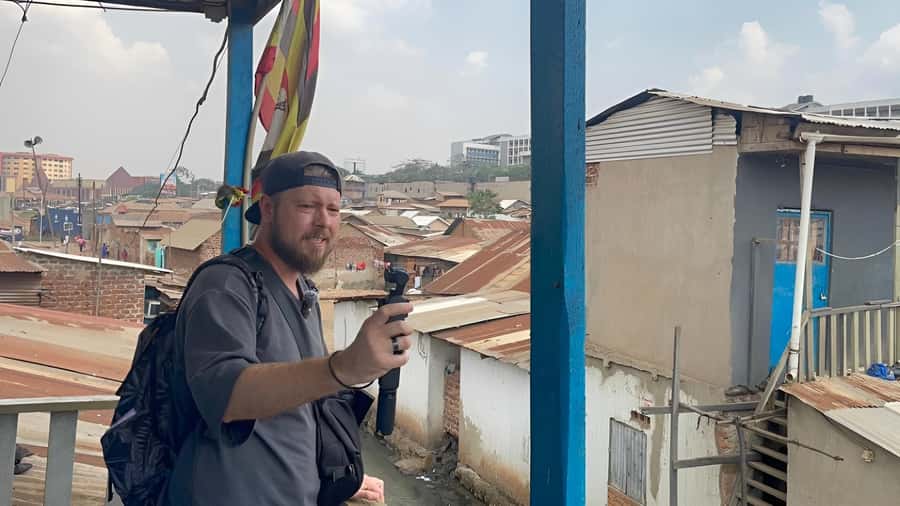
Reviewed · WALKING TOURS
Kampala: Katanga Slum Guided Walking Tour
Katanga is not a sightseeing backdrop. It is a working neighborhood where families, shopkeepers, artisans, children, churches, schools, and small businesses share a crowded urban setting. This 1.5-hour walk takes you past everyday life that most visitors to Kampala never see, with a local guide explaining how the settlement grew and how residents make it work.
I like the small group limit of six, which gives you a better chance to ask questions without turning the walk into a parade. I also like the direct contact with residents, from food sellers and artisans to people connected with homes, schools, churches, gyms, and youth projects. The main consideration is that this is a serious, sometimes uncomfortable experience. Narrow paths, poor sanitation, hardship, and limited infrastructure are part of what you will see.
Key points at a glance
- Walk with a local guide: Guides such as Maxwell and Marvin have led visitors through Katanga, explaining local customs and how to behave respectfully.
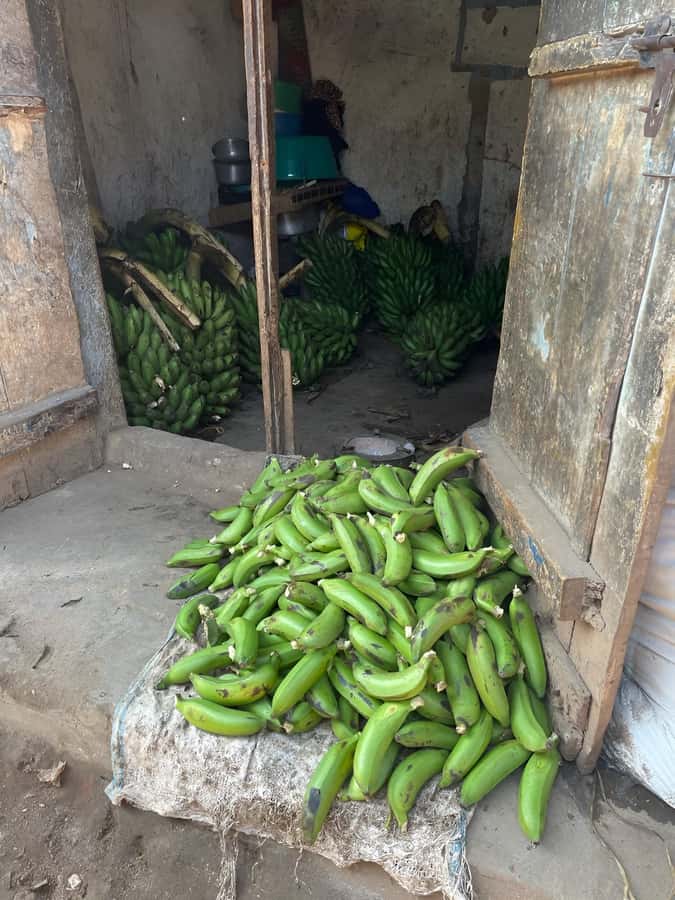
- See ordinary work up close: Food stalls, produce sellers, scrap recycling, handmade goods, and small workshops show how people earn a living.
- Meet the community: Depending on the day, you may visit homes, a church, a school, a gym, or youth projects.
- Keep the group personal: The tour accepts no more than six participants, making conversation easier.
- Expect difficult realities: Overcrowding, sanitation problems, and economic hardship are not edited out of the walk.
- Pay for a focused experience: At $25 per person, the value rests in local access, guiding, and context rather than transport, food, or polished attractions.
Why Katanga asks more of you than a normal city tour
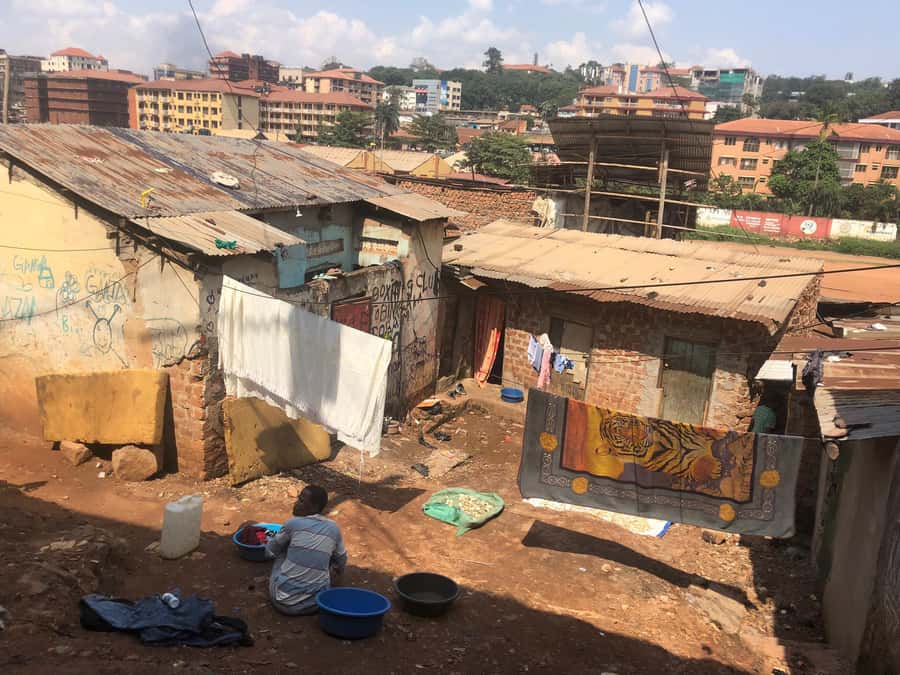
Many Kampala tours keep you at famous sights or on the main roads. This one takes you into Katanga, described as one of Uganda’s largest informal settlements, to look at city life from the point of view of people who live and work there.
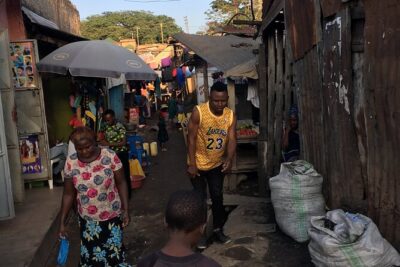
That change of setting matters. You are not simply seeing poverty from a vehicle window. You are walking at street level, listening to explanations, and seeing the practical systems residents use to get through each day. Small shops, food stalls, schools, churches, and family homes sit close together. The result is more personal, but also more demanding.
I would approach this as a cultural exchange, not as a photo opportunity. Ask questions when invited, listen carefully, and avoid treating people’s homes or difficulties as entertainment. The guide helps set that tone by explaining what is appropriate before you enter the settlement.
The experience also gives you a fuller picture than the word slum suggests. Katanga has serious problems, but it is not only a place of problems. Residents run businesses, form support networks, send children to school, create youth projects, and find ways to reuse materials. You will see hardship and resourcefulness side by side.
Other guided walks around Kampala:
- Kampala’s Best Experience walking tour
★ 5.0 · 137 reviews - Kampala Walking City Tours (Women Guided)
★ 5.0 · 115 reviews - Kampala Walking Tour (3 Hours) with Optional Gaddafi Mosque Visit
★ 5.0 · 112 reviews
Starting at Kitenji and walking through Wandegeya
The tour begins at Kitenji Uganda Safaris and Tours. From there, the route heads through Wandegeya, with views along the way before the guided visit to Katanga.
This opening walk gives you time to meet your guide and settle into the pace. It also helps you shift from ordinary Kampala sightseeing to a more focused visit. The route is on foot, so comfortable shoes are not optional. You should expect uneven or narrow walking areas, and the activity is not suitable for people with mobility impairments.
The meeting point is given as Kitenji Uganda Safaris and Tours, while the experience is presented as a Kampala activity and also linked with Mityana District in the supplied location details. Confirm the exact meeting instructions and start time with the operator before setting out. An agent contacts you after booking to arrange a preferred time between 9 am and 7 pm.
Entering Katanga with a local guide
At the edge of the settlement, your guide introduces Katanga’s growth and its place in Kampala’s urban life. This is an important part of the tour because the setting can be easy to misunderstand if you arrive without context.
Guides named Maxwell and Marvin are associated with recent departures. Maxwell has been described as making visitors feel safe and at ease, while Marvin has been noted for explaining where the settlement sits and outlining the do’s and don’ts before entering. Your guide may be one of them, but the operator does not promise a specific guide in the booking details.
That short orientation is useful. It tells you how to walk through the neighborhood without causing offense and gives you a chance to ask about photography, conversations, and visits to community spaces. The guide’s role is not just to point out buildings. It is to explain why the neighborhood looks as it does and how residents respond to limited services and crowded conditions.
A small group makes a real difference here. With six people or fewer, you can hear the guide in narrow alleys, stop without blocking paths, and ask questions without holding up a large party. It also keeps the visit less intrusive than a big group would be.
Food stalls, vendors, and handmade work
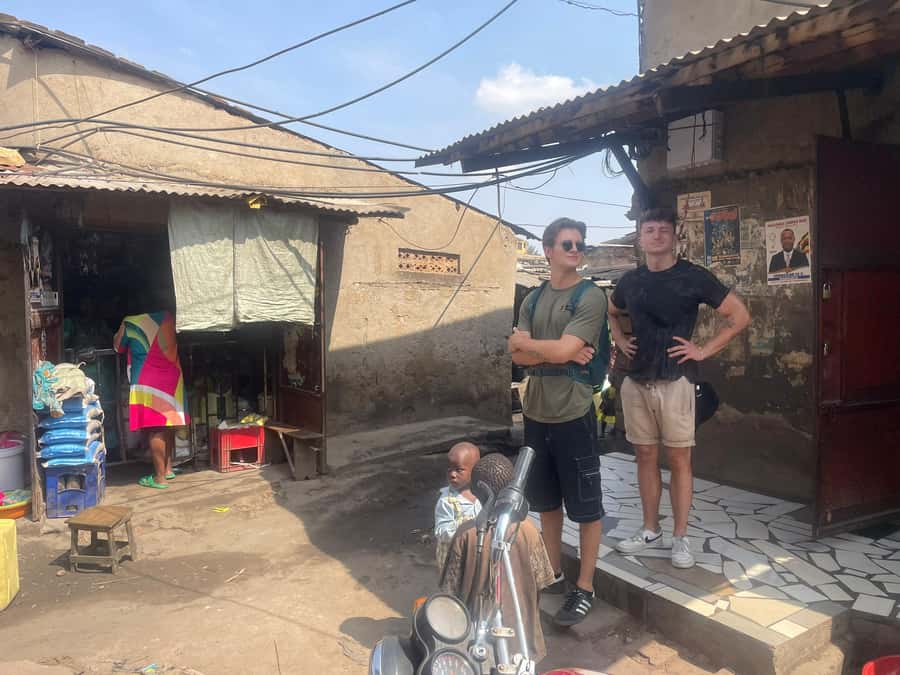
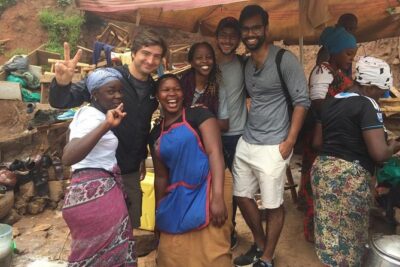
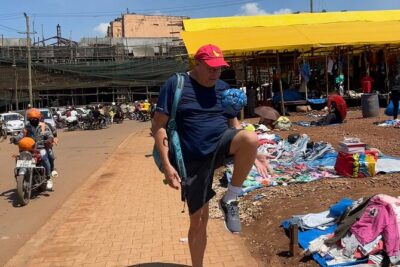
As you walk, you may pass chapati being prepared at food stalls, vendors selling fresh produce, and small businesses serving local needs. These are ordinary activities, but they are among the most revealing parts of the tour.
A chapati stall shows how a modest operation can provide both food and income. Scrap recycling and handmade goods point to another kind of resourcefulness, where materials that might otherwise be discarded are turned into something useful or saleable. The guide can connect these activities to the wider issue of making a living in a place with limited formal employment.
You should not expect a craft market or a staged demonstration. The point is to see businesses as they operate during a normal day. Some stops may be brief, and the exact people you meet will depend on who is working and available when you pass.
This is also where the $25 price needs a fair reading. You are not paying for a long list of included attractions. You are paying for access arranged through a local operator, an English-speaking guide, a small group, and explanations that help you read what you are seeing. Meals, drinks, and transport are not included, so the price makes the most sense if you value the local connection rather than a packed sightseeing schedule.
More trips that include a guide, around Kampala:
- 3 Hours Guided Cycling Tour Across Lake Victoria
★ 5.0 · 151 reviews - Inside Kampala Walking Tour (Female Guided)
★ 5.0 · 52 reviews - Kampala: City Guided walking sightseeing Tour
★ 4.7 · 52 reviews - Inside Kampala walking tour (Female guided)
★ 5.0 · 40 reviews
Homes, churches, schools, and youth projects
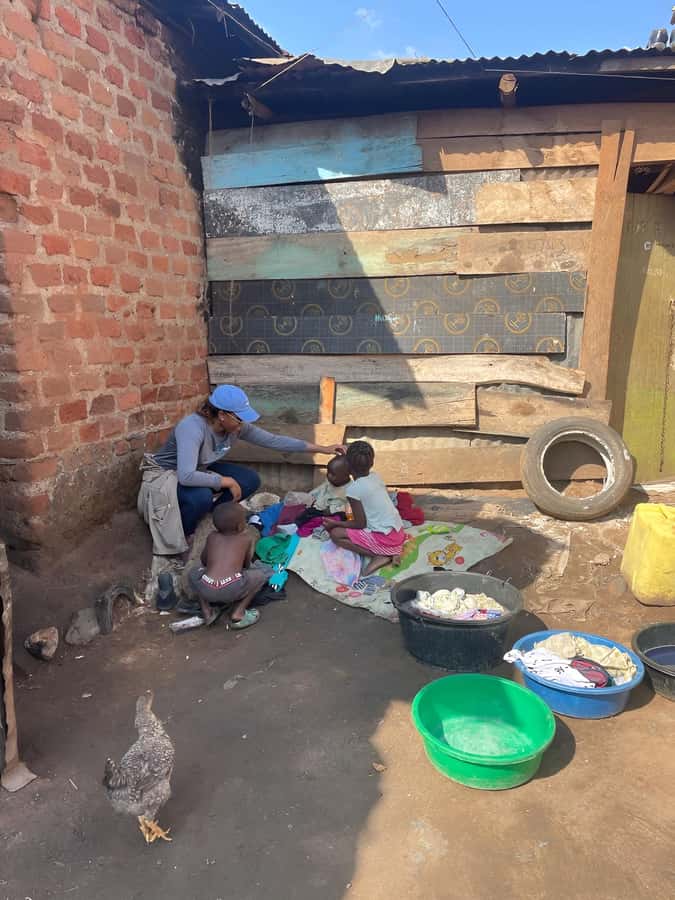
The walk may include visits to local homes, a church, a school, a gym, or youth projects. One recent departure included all of those types of places, with residents welcoming the visitors and making the walk feel social as well as educational.
These visits can be the most memorable part of the experience, but they require tact. A home is not a museum, and a school or church is not there for visitors to treat as a backdrop. Follow your guide’s lead, ask before taking photographs, and remember that a friendly welcome does not remove the need for respect.
Schools and youth projects are especially useful stops because they show the effort that goes into breaking cycles of poverty. Education does not solve every problem at once, but it gives families and young people a way to plan beyond immediate survival. The tour uses these places to show how community support and social initiatives matter in daily life.
A church may add another layer to the visit. Music and worship are part of the sound of the neighborhood, along with children playing and people calling to one another. The experience is not silent or staged. It is a walk through a place where many parts of life happen close together.
What the tour says about poverty and resilience
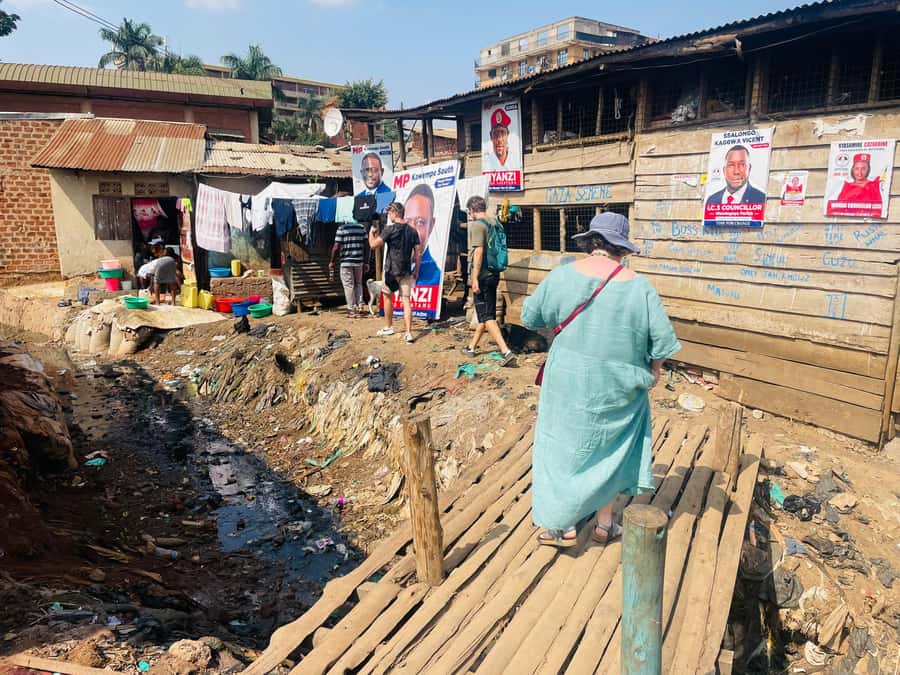
The best reason to book this experience is the chance to replace a simple image of poverty with a more accurate one. Katanga faces overcrowding, sanitation problems, and economic hardship. Those conditions should not be softened for visitors.
At the same time, residents are not defined only by what they lack. You will see people working, adapting, supporting one another, raising children, worshipping, studying, and creating small businesses. That balance is important. A good tour should help you understand the hardship without taking away people’s dignity or agency.
The guide can also explain how rapid urban growth affects a neighborhood like Katanga. As cities expand, housing, sanitation, roads, and public services struggle to keep up. Families then build informal systems of support and work around the gaps. The result may look chaotic to an outsider, but the walk helps you see the patterns within it.
I would not book this tour if you want an easy morning of beautiful views and light conversation. I would book it if you want to understand Kampala beyond the parts designed for visitors and are prepared to listen without judging too quickly.
Safety, comfort, and the right attitude
The experience has received strong praise for its guides, friendliness, and sense of safety. One departure used two accompanying guides, and Maxwell was specifically associated with helping visitors feel comfortable in a difficult setting. Those details are reassuring, but you should still follow the guide’s instructions throughout the walk.
Wear comfortable shoes. The tour lasts about 90 minutes, but narrow paths and uneven walking can make the outing feel more physical than the short duration suggests. Bring water if you need it, since drinks are not included, and dress for ordinary city walking rather than a formal excursion.
The emotional side matters as much as the physical side. You may see children playing, hear music from churches, and meet welcoming residents. You may also see cramped living conditions and poor sanitation. Both parts are real. Do not arrive expecting every moment to feel comfortable, and do not assume that an emotional reaction gives you permission to photograph people without asking.
The operator has also shown flexibility with timing in at least one case when a participant had trouble arriving at the agreed time. Still, you should contact the company promptly if your plans change rather than rely on last-minute adjustments.
Who will get the most from this walk
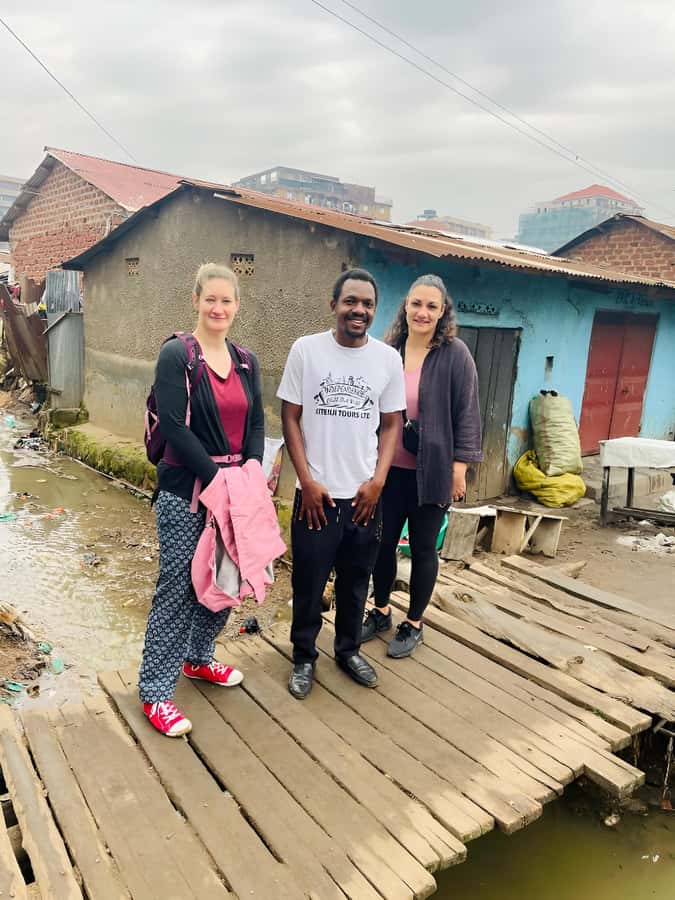
This tour suits you if you want:
- A small and personal activity in Kampala
- Direct conversation with a local guide and community members
- A clearer view of urban poverty and inequality
- An experience that includes ordinary work and neighborhood life
- A short activity that fits around other Kampala plans
- A chance to support locally arranged projects through your visit
It may not suit you if you have mobility impairments, dislike walking through narrow or crowded areas, or want a polished attraction with fixed displays and predictable scenery. It is also a poor fit if your main aim is photography. The emphasis is on listening and understanding, not collecting dramatic images.
Families should consider the age and temperament of their children. The tour includes difficult social realities, and the supplied information does not give a recommended minimum age. Ask the operator before booking if you are unsure.
Booking details and practical value
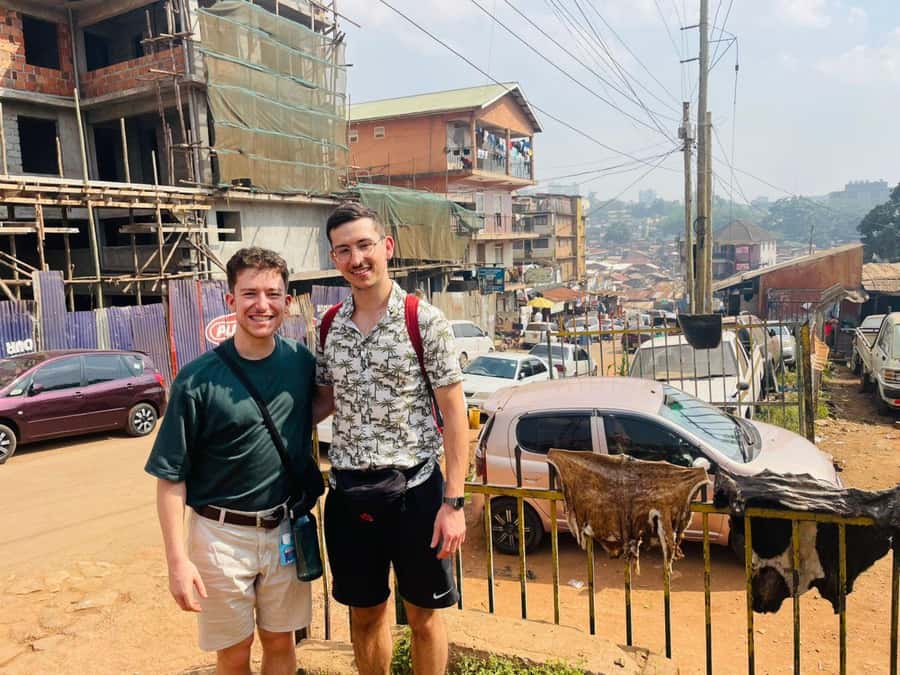
The cost is $25 per person. For a 90-minute walk, that is not the cheapest possible activity in Kampala, but the comparison is not quite fair if you count only time. The price includes a professional English-speaking guide and a carefully arranged introduction to a neighborhood you should not explore alone.
The group limit of six improves the value. A large group would make it harder to hear explanations and easier for the visit to feel intrusive. Here, you get more room for questions and a better chance to speak with the guide about what you are seeing.
Food and drinks are not included, and there is no stated transport from hotels. Plan around the Kitenji Uganda Safaris and Tours meeting point. Free cancellation is available up to 24 hours before the activity, and you can reserve now and pay later, which helps if your Kampala schedule is still changing.
The tour runs for approximately 1.5 hours, with start times available between 9 am and 7 pm after confirmation. That range gives you flexibility, but do not assume a particular departure time until the operator confirms it.
Should you book the Katanga walk?
Book it if you want a direct, guided look at Kampala’s urban realities and can approach the community with patience and respect. The combination of a small group, local guiding, home and project visits, and ordinary neighborhood businesses gives the walk more substance than a quick pass through a poor district.
Skip it if you need step-free access, prefer conventional sightseeing, or are not ready for scenes of hardship. For the right visitor, the $25 fee buys more than a walk. It buys context, a local introduction, and a chance to listen to people whose daily lives are usually kept outside the visitor’s view.
FAQ
Where does the Katanga walking tour start?
The tour starts at Kitenji Uganda Safaris and Tours. The route then goes through Wandegeya before reaching Katanga and returns to the starting point.
How long does the tour last?
The walking tour lasts approximately 1.5 hours.
What time can I take the tour?
The activity is available between 9 am and 7 pm. After booking, an agent contacts you to confirm your preferred starting time.
What language is the tour conducted in?
The tour is conducted in English with a live guide.
How large is the group?
The group is limited to six participants.
What is included in the price?
A professional guide is included.
Are food and drinks included?
No. Meals and drinks are not included.
What should I bring?
Bring comfortable shoes suitable for walking through narrow paths and uneven areas.
Is the tour suitable for people with mobility impairments?
No. The activity is listed as unsuitable for people with mobility impairments.
Just added around Kampala
- Mountain Rwenzori Trekking Uganda 9 Day Safari★ 4.5 · 3 reviews
- Rwenzori Mountains Trekking with Margherita Peak Summit★ 5.0 · 13 reviews
- Zziwa Rhino Sanctuary Walking Safari★ 5.0 · 7 reviews
- KAMPALA MOTOR BIKE TOURS (boda boda tours)★ 4.5 · 6 reviews
- 1 Day Best Mabamba Swamp Shoebill Birding Tour, Lake Victoria★ 5.0 · 6 reviews
- 3 Days Lake Bunyonyi and Gorilla Trekking Tour in Uganda★ 5.0 · 5 reviews
- 4 Day Uganda Gorilla Trekking Safari with Lake Bunyonyi★ 5.0 · 5 reviews
- Private Ugandan Food Cooking Class and Culture Experience★ 5.0 · 6 reviews
Walking Tours, compared.
Kampala Walking Tour (3 Hours) with Optional Gaddafi Mosque Visit
Read our review →
Steve Kampala Walking tours (Airpals Safaris tour)
Read our review →
Entebbe Walking Tour (3 Hours) with Zoo and Botanical Gardens Options
Read our review →Browse the lists this tour appears in