
Reviewed · TOURS IN KAMPALA
Cooking Class for Typical Ugandan Food in Kampala
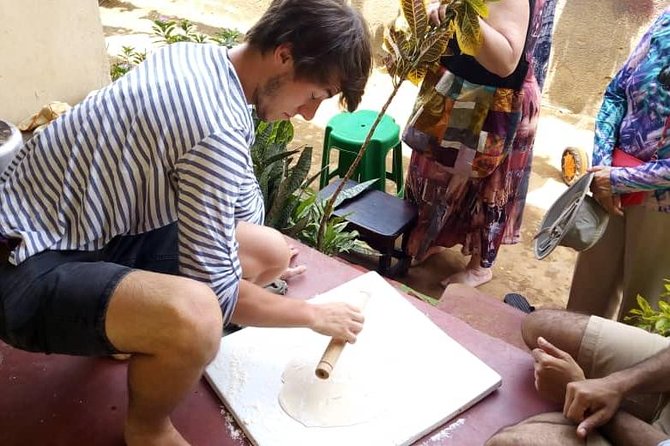
The most appealing part of this Kampala experience is its hands-on approach. You do not simply watch a demonstration. With Gertrude and her son, you peel, slice, cook, and eat a traditional Ugandan meal in their home. The use of banana leaves and local produce makes this feel tied to daily life rather than a staged restaurant class.
I like the chance to learn how foods such as cassava, yams, pumpkin, and plantains are handled from the start. I also like the small group limit of 10 people, which gives you room to ask questions and work beside your hosts. The main consideration is the location in Nansana, outside central Kampala, so you should allow time to reach Steve Residence and confirm your transport plans.
Key points to know before booking
- Cook from raw ingredients: Peel and prepare cassava, yams, pumpkin, plantains, and other local produce yourself.
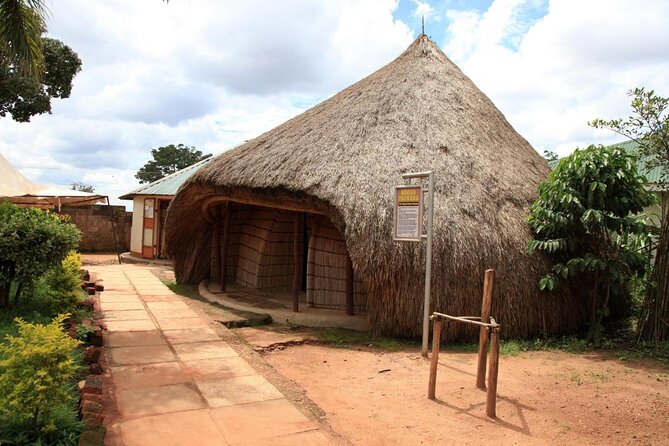
- Meet Gertrude at home: The class takes place at Steve Residence on Little Muheji School Road in Nansana.
- Try traditional methods: Banana leaves are used as part of the preparation and serving process.
- Eat a vegetarian meal: The food is plant-based, with dishes such as matooke and a well-liked groundnut sauce.
- Keep the group small: A maximum of 10 people makes this more personal than a large demonstration.
- Plan for four hours: This is a half-day activity, not a quick cooking lesson squeezed between city sights.
Cooking Ugandan food from peeling to serving
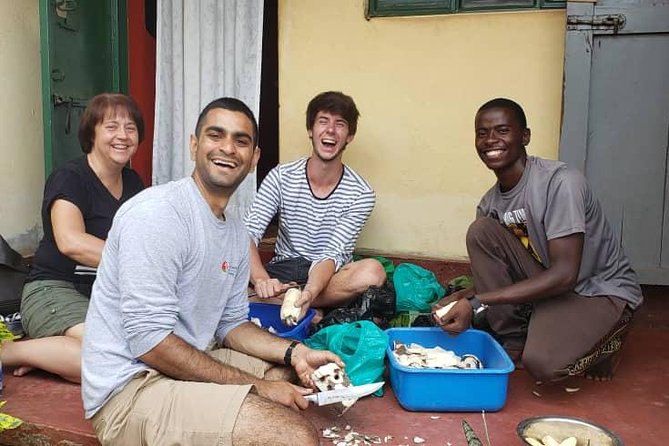
This class gives you the full chain of a meal. You begin with basic produce, help prepare it, learn how it is cooked, and then sit down to eat. That matters because much of the value is in the work before the food reaches the plate.
You may be used to cooking classes that hand you measured ingredients and a printed recipe. This experience takes a more domestic approach. You handle local staples in their natural form, which helps you understand the texture, size, and preparation of the foods themselves.
The listed ingredients include cassava, yams, pumpkin, and plantains. You can expect to peel and slice these items as part of the session. The work is simple, but it is useful. You get a better feel for the ingredients than you would by watching someone else prepare them.
The meal is vegetarian, and the food centers on plant-based staples. Matooke is one of the featured dishes. The cooking class is therefore a good fit if you want to explore Ugandan food without meat, or if you want to see how filling local meals can be built around vegetables, starches, and sauces.
A few more trips around Kampala worth a look
- Private Ugandan Food Cooking Class and Culture Experience
★ 5.0 · 6 reviews
Meeting Gertrude at Steve Residence in Nansana
The meeting point is Steve Residence, Little Muheji School Road, Nansana, Uganda. The activity begins and ends at this same location. It is near public transportation, but the address is still worth checking carefully before you set out.
Nansana is not a central Kampala landmark, so do not treat the meeting point as if it were automatically close to your hotel. I would confirm the route and allow extra time, especially if you are unfamiliar with Kampala. One particularly useful detail is that Gertrude has helped arrange transportation for some participants, so it is sensible to ask about the best way to reach her home when you book.
Once you arrive, the setting is personal. This is not a commercial kitchen with a row of identical workstations. You are welcomed into Gertrude’s home, where the cooking, conversation, and meal happen in the same relaxed setting.
That home setting is one of the experience’s strongest features. It gives the class a social quality that a formal cooking school may not provide. You may spend time chatting with Gertrude and her son, sharing stories, and learning about Kampala alongside the food.
There is also a view from the property that has been singled out as a good photo opportunity while the food cooks. The view is not the main reason to book, but it gives you a pleasant pause between preparation tasks.
Four hours of practical kitchen work
The experience lasts about four hours. That is enough time for the class to feel like an activity in its own right rather than a short food tasting.
The first stage focuses on the produce. You help peel and cut the ingredients, including cassava, yams, pumpkin, and plantains. This is the point where the class feels most different from a standard meal. The ingredients are not hidden behind a finished dish, and you can see how much preparation goes into everyday cooking.
Next comes the cooking. Gertrude explains how the vegetables are handled and prepared. The precise order and cooking times can depend on the dishes being made, but the aim is clear: you learn the process rather than receive a lecture about it.
Banana leaves are part of the traditional method. They can be used to wrap, handle, or serve food, and they add a strong visual link to local cooking practice. For many people, this will be a memorable detail because it shows how cooking tools can come from the same natural materials that surround the meal.
The pace should suit people who enjoy doing rather than rushing. You will have time to participate, ask questions, and watch how the food changes as it cooks. If you prefer a fast class with a polished chef demonstration, this may feel more informal than expected. If you want a closer look at household cooking, that informality is the point.
Matooke, groundnut sauce, and a plant-based meal
Matooke is a central Ugandan staple and one of the dishes you learn to prepare. Plantains are peeled and cooked into a filling dish, often served as a base for sauces and vegetables. Here, you get to take part in the preparation rather than simply order it from a menu.
The groundnut sauce is another highlight to watch for. It was praised as one of the best parts of the meal, and it shows how a simple sauce can give body and flavor to plain staples. If you enjoy trying sauces and learning how they fit into a meal, pay close attention during this part of the class.
The final meal is the reward for the work. You sit down with your hosts and eat the food you helped prepare. That changes the meal from a tasting into a shared conclusion to the class. You can connect the finished dish with the produce you peeled and the methods you watched earlier.
You should not expect a menu built around many meat dishes. The food is described as purely vegetarian, with plant-based recipes at its center. That makes the activity especially suitable for vegetarians, people looking for vegetable-focused food, and anyone curious about a different way of building a satisfying meal.
Same starting point, a completely different day:
- 3 Hours Guided Cycling Tour Across Lake Victoria
★ 5.0 · 151 reviews - Kampala’s Best Experience walking tour
★ 5.0 · 137 reviews - 3 Days gorilla trekking Safari tour in Uganda
★ 5.0 · 121 reviews - Lake Victoria Island Cycling Tour from Kampala
★ 5.0 · 120 reviews
A home visit with conversation and local context
Food is only part of the experience. The time with Gertrude and her son adds a personal layer that you cannot get from a recipe alone.
You may learn about native plants used in everyday life, not just the ingredients placed on the cooking table. That helps explain why certain foods matter and how they fit into ordinary routines. You also have space for conversation about Kampala and local life while the preparation continues.
The atmosphere appears friendly and informal. Dancing and storytelling have been part of the time spent in the home, so you should think of this as a cultural visit with cooking at its center. The presence of Gertrude’s young son also gives the setting a family feel.
This can be a strong choice for solo visitors who want social contact without joining a large group. It can also work well for couples, families, and small groups of friends who enjoy meeting local people through food.
The trade-off is that the format depends on the home setting. The schedule may feel less tightly choreographed than a professional culinary school. You should come ready to take part, listen, and adapt to the pace of a real household rather than expect a polished stage show.
Why the small group matters
The maximum group size is 10 people. That is still large enough to have company, but small enough for the cooking to remain hands-on.
In a big class, you might spend much of the session standing behind other people or watching from the edge. Here, you have a better chance to work with the ingredients and ask Gertrude how each dish is prepared. The small size also supports the social side of the visit, since conversation is easier when the room is not crowded.
The group limit is particularly useful for anyone who wants to recreate the dishes at home. You can ask about preparation choices while they are happening, then remember the process by doing it yourself.
Still, this is not a private class unless your booking happens to fill the available places. The maximum is 10, so check your confirmation for the actual group arrangement if privacy matters to you.
What the $32 price delivers
At $32 per person, the price is reasonable for a four-hour activity that includes instruction, hands-on preparation, and a full meal. You are paying for more than lunch. You are also receiving a home visit, time with local hosts, practical cooking experience, and an introduction to ingredients you might not otherwise handle yourself.
The value is strongest if you treat the experience as both a meal and a cultural activity. A simple restaurant lunch would cost less in some situations, but it would not show you how cassava, pumpkin, plantains, or matooke are prepared. It would also lack the chance to cook with Gertrude and share the table afterward.
The price may feel less compelling if you are only looking for a quick bite or a formal chef-led lesson with detailed written recipes. No recipe booklet or take-home materials are specified, so ask if you need exact measurements for recreating the dishes at home.
For a half-day in Kampala, the class offers good value to people who enjoy active experiences. The limited group size and meal at the end add to that value.
Timing, weather, and practical planning
The activity takes about four hours, so leave a clear half-day. Do not schedule a major appointment immediately afterward, especially because reaching Nansana can take time depending on your starting point and traffic.
The experience requires good weather. If poor weather causes a cancellation, you will be offered another date or a full refund. This matters because some parts of the cooking and the time around the home may be affected by conditions outside.
You receive confirmation at the time of booking. The experience ends at the same meeting point where it begins, so you need to arrange your onward transport from Steve Residence.
Free cancellation is available if you cancel at least 24 hours before the start time. Changes or cancellations made less than 24 hours before the activity are not accepted for a refund. All cut-off times use local time in Uganda.
Who will enjoy this Kampala cooking class?
I would choose this activity if you enjoy learning through your hands. Peeling, slicing, cooking, and serving give you a clear role throughout the morning or afternoon.
It suits people who want:
- A small-group activity rather than a large food tour
- Vegetarian or plant-based Ugandan dishes
- A home-based experience with local hosts
- Practical ideas to recreate Ugandan food back home
- Time for conversation, stories, and cultural exchange
- A slower half-day away from standard sightseeing
It may not suit you if you dislike informal home visits, have limited time in Kampala, or want a class focused on meat dishes. It is also not the best choice if you need a central meeting point and do not want to arrange transport to Nansana.
Should you book this Ugandan cooking experience?
Book it if you want to understand Ugandan food by preparing it yourself. The strongest reasons are the home setting, the chance to cook with Gertrude and her son, the use of banana leaves, and the final meal of matooke, vegetables, and sauce.
Before booking, make sure you are comfortable with the Nansana location and a four-hour commitment. Ask about transport to Steve Residence if you need help getting there, and confirm whether the food fits your dietary needs.
For a modest price, this gives you a personal introduction to everyday Ugandan cooking rather than a quick demonstration. I would recommend it most to curious eaters, vegetarians, and anyone who values a warm local welcome as much as the food itself.
FAQ
Where does the cooking class take place?
The class takes place at Steve Residence on Little Muheji School Road in Nansana, Uganda.
How long does the experience last?
The cooking class lasts approximately four hours.
Where does the activity end?
It ends back at the same meeting point, Steve Residence.
What food will I prepare?
You will prepare typical vegetarian Ugandan dishes using ingredients such as cassava, yams, pumpkin, and plantains. Matooke is one of the featured dishes.
Is the cooking class vegetarian?
Yes. The food is described as purely vegetarian and based on plant-based recipes.
How many people can join the class?
The activity has a maximum of 10 participants.
Is the class near public transportation?
Yes. The meeting point is described as being near public transportation.
Can I cancel for a full refund?
Yes, if you cancel at least 24 hours before the experience start time. Cancellations or changes made less than 24 hours before the start time are not refunded or accepted.
More Food Experiences in Kampala
- Kampala: Three-Hour Food Tour
★ 4.6 · 15 reviews
Just added around Kampala
- KAMPALA MOTOR BIKE TOURS (boda boda tours)★ 4.5 · 6 reviews
- 1 Day Best Mabamba Swamp Shoebill Birding Tour, Lake Victoria★ 5.0 · 6 reviews
- 3 Days Lake Bunyonyi and Gorilla Trekking Tour in Uganda★ 5.0 · 5 reviews
- 4 Day Uganda Gorilla Trekking Safari with Lake Bunyonyi★ 5.0 · 5 reviews
- Private Ugandan Food Cooking Class and Culture Experience★ 5.0 · 6 reviews
- 3-Day Gorilla Trekking Bunyonyi Mist Relaxation Safari★ 5.0 · 5 reviews
- Mountain Rwenzori Trekking Uganda 9 Day Safari★ 4.5 · 3 reviews
- Rwenzori Mountains Trekking with Margherita Peak Summit★ 5.0 · 13 reviews
Tours in Kampala, compared.
3 Hours Guided Cycling Tour Across Lake Victoria
Read our review →
3 Days gorilla trekking Safari tour in Uganda
Read our review →
Kampala Walking Tour (3 Hours) with Optional Gaddafi Mosque Visit
Read our review →
Steve Kampala Walking tours (Airpals Safaris tour)
Read our review →
8-Day Murchison Falls, Chimp and Epic Gorilla Trekking Safari
Read our review →Browse the lists this tour appears in