Reviewed · CITY TOURS
Kampala City Tour – Half Day
Kampala makes the most sense when you see its royal, religious, political, and everyday sides together. This private tour moves from the city center to Buganda’s royal sites, up a mosque minaret, through old university grounds, and into local markets. Your guide, Matthew, has earned praise for making Uganda’s past easy to follow and keeping the day relaxed.
I especially like the private format, which lets you ask questions and spend more time on the places that interest you. I also like the wide range of stops, from the Kabaka’s Palace and Kasubi Tombs to the Baha’i Temple and Nakasero Market. The main drawback is timing: the tour is called half-day but usually lasts 6 to 7 hours, and the Uganda Museum is closed for renovation until late 2025.
What makes this Kampala tour worth your time
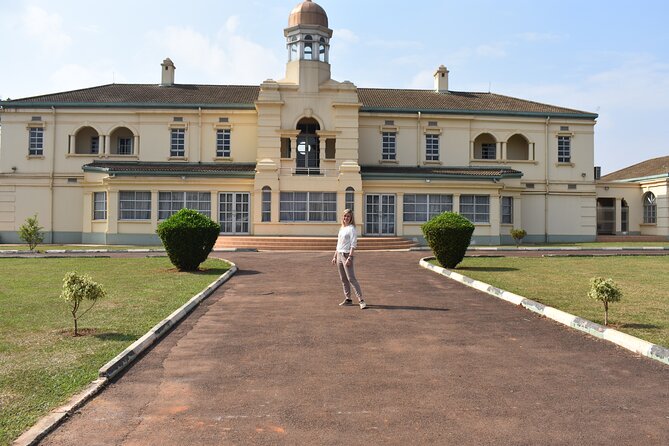
- Buganda’s royal trail: Visit the Kabaka’s Palace, Bulange, the Royal Mile, clan symbols, and Kabaka’s Lake.
- A clear city view: Climb Gaddafi National Mosque’s minaret for a 360-degree view of Kampala’s famous seven hills.
- A private guide with local context: Guides such as Matthew explain Uganda’s culture and political past while you move between sights.
- A useful mix of major sights: The route includes markets, monuments, religious buildings, a university, royal sites, and a UNESCO World Heritage Site.
- Transport that saves effort: Hotel pickup, an air-conditioned 4WD minibus, mineral water, and entrance fees are included.
- One important change: The Uganda Museum is under renovation and is expected to reopen in late 2025.
A city tour that connects Kampala’s many identities
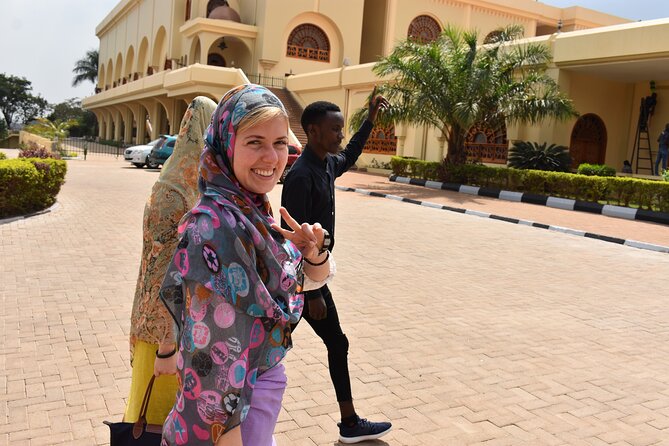
At $215 per person, this is not a budget sightseeing drive. The price makes more sense if you value a private vehicle, hotel transfers, an English-speaking driver-guide, and entrance fees bundled into one day.
You are paying for more than transport between monuments. Kampala can be difficult to read at street level, especially on a first visit. A guide helps connect the Independence Monument to Uganda’s modern state, the royal sites to Buganda’s continuing importance, and the mosque, Hindu temples, and Baha’i Temple to the city’s many faiths.
The private setup also matters. Only your group takes part, so you can ask questions without holding up a large coach party. Group discounts are offered, though the exact discount is not provided. For a solo visitor, the cost is high. For a small group that wants a full introduction to Kampala without arranging separate taxis and admissions, the value is easier to see.
The tour runs about 6 to 7 hours, despite being sold as a half-day experience. That gives you a substantial look at the city, but it also means you should not plan a tight afternoon appointment. Pickup is available, and the stated start time is 8:30 am. The vehicle has air conditioning, Wi-Fi, and a designated window seat, with mineral water provided.
Other city tours around Kampala:
- Kampala Walking City Tours (Women Guided)
★ 5.0 · 115 reviews - Kampala: City Guided walking sightseeing Tour
★ 4.7 · 52 reviews - Half day Kampala City Motor Bike Tours
★ 5.0 · 29 reviews
Starting downtown with Kampala’s public face
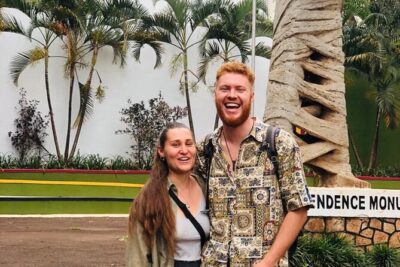
The day begins in Kampala’s central area, where the route passes several places tied to Uganda’s government, business, and public life. You see the Independence Monument, Mutesa II Monument, World War II Monument, Parliamentary Building, Bank of Uganda, Uganda National Cultural Centre, and Kampala Capital City Authority headquarters.
Most of these are viewed from the vehicle or during short stops rather than treated as long museum visits. That is useful for getting your bearings. You see how the capital presents itself through government buildings, monuments, banks, and cultural institutions before moving into older and more personal parts of the city.
The guide’s explanation is important here. A monument can mean little if you only take a photograph. With context, the stops help outline Uganda’s road from colonial rule to independence and the place of Buganda in national life.
You also pass Hindu temples, including Shree Swaminarayan Mandir. This is a small but worthwhile detail because the tour does not present Kampala as a city with only one religious tradition. The route later adds Islamic and Baha’i sites, giving you a broader picture of the capital.
Nakasero Market and the city’s daily rhythm
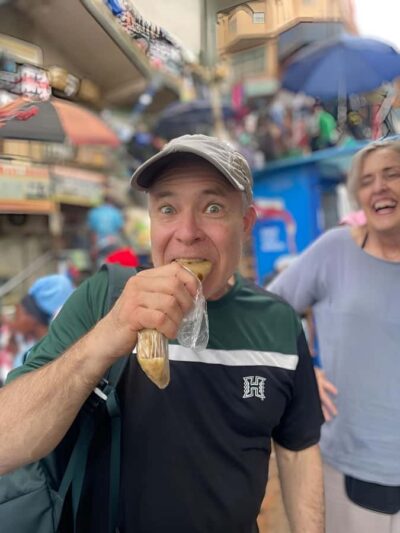
Nakasero Market dates to 1895, when it was first located at Lubiri, before moving to its present city-center location in 1905. The market is a practical stop, not a polished attraction. You can see spice and textile stalls and get a closer look at the trade that helps give central Kampala its character.
I like this part of the route because it breaks up the monuments. A market shows you how the city works in ordinary hours, not just how it commemorates important people and events. You may have time to browse, take photographs, or simply watch the movement around the stalls.
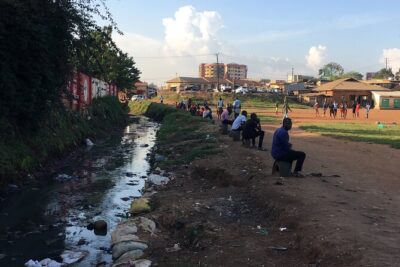
The tour also passes Kalerwe Market, described as the city’s second-largest local market. You may stop for photographs or buy fresh fruit. These market visits are flexible, so do not expect a long guided shopping session or a special food tasting. They work best as short windows into local life.
The Kabaka’s Palace and Buganda’s royal story
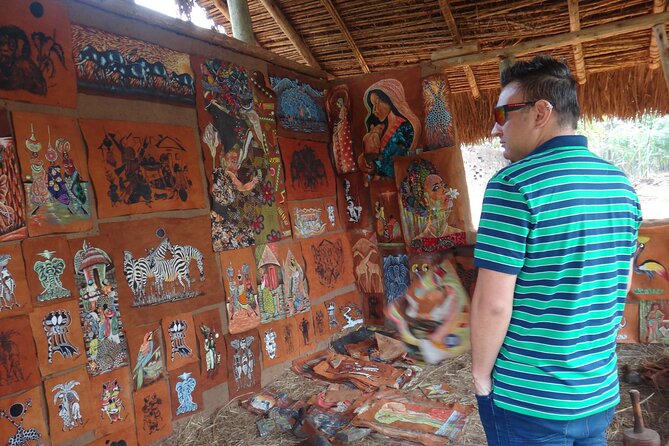
The visit to Kabaka’s Palace is one of the strongest parts of the day. The palace sits within the Buganda Kingdom’s royal trail, and the stop includes the Iddi Amin armory, a historical machine gun, palace photographs, and an introduction to Buganda’s past.
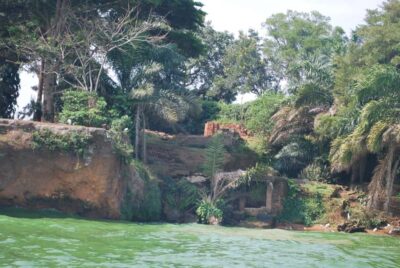
This is not simply a grand residence. The palace helps explain the role of the Kabaka, the king of Buganda, and the importance of the kingdom within Uganda. The tour continues beyond the palace with a drive past Kabaka’s Lake and the Nantawetwa monument.
Nantawetwa was built for the king and is opened when he is driven from the palace to the Buganda Parliament. You also travel along the Royal Mile and see Bulange, the Buganda Parliament, Kabaka’s Monument, Zakaria Kisingiri House, and Buganda clan symbols.
Allow about an hour here. The stop involves historical explanation and sightseeing rather than a long indoor museum visit. Some parts of the experience are viewed from the vehicle, so keep your camera ready and listen closely to your guide.
Same starting point, a completely different day:
- 3 Hours Guided Cycling Tour Across Lake Victoria
★ 5.0 · 151 reviews - Kampala’s Best Experience walking tour
★ 5.0 · 137 reviews - 3 Days gorilla trekking Safari tour in Uganda
★ 5.0 · 121 reviews - Lake Victoria Island Cycling Tour from Kampala
★ 5.0 · 120 reviews
Gaddafi National Mosque and the seven-hill view
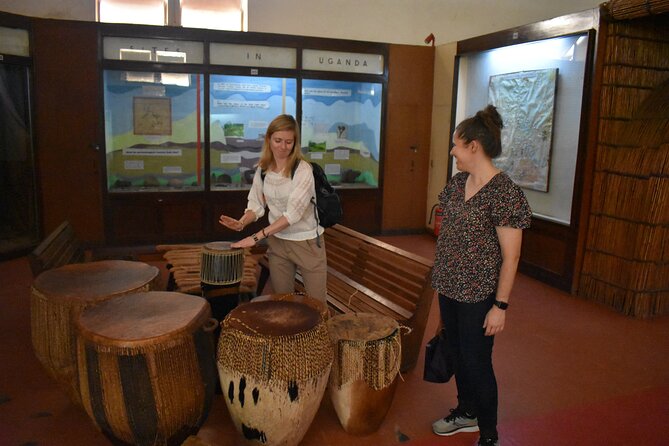
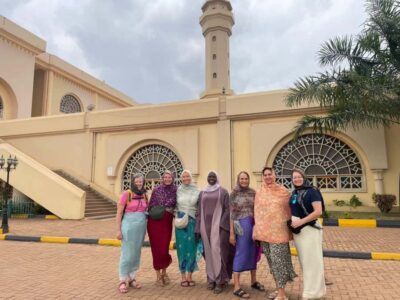
Gaddafi National Mosque provides the day’s best high viewpoint. After driving through older Kampala, you enter the mosque complex and climb the minaret for a 360-degree view across the city.
From above, Kampala’s famous seven hills become easier to understand. You can also see Fort Lugard, associated with Captain Frederick Lugard, and Old Kampala Senior Secondary School. The school has operated for more than 60 years and was once attended by Rwanda’s President Kagame.
The minaret climb is an active part of the tour. You should be comfortable with the physical effort involved, as the overall experience calls for moderate fitness. The reward is a city view that turns Kampala’s busy streets and separate districts into one large picture.
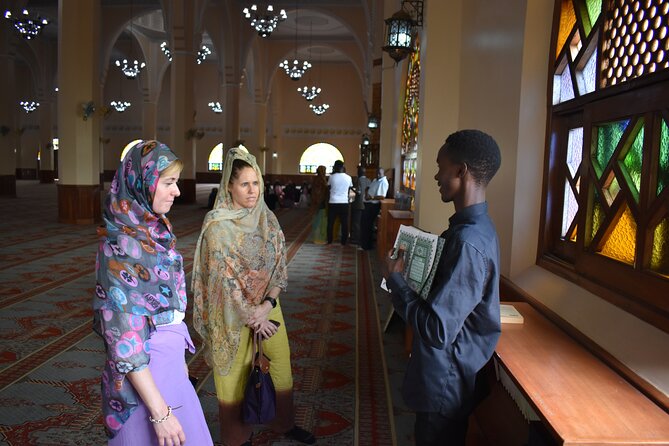
Dress and behave respectfully at the mosque. The attraction is both a religious site and a viewpoint, but it remains a functioning place of worship. Your guide can help you understand the customs expected during the visit.
Kasubi Tombs, a sacred Buganda site
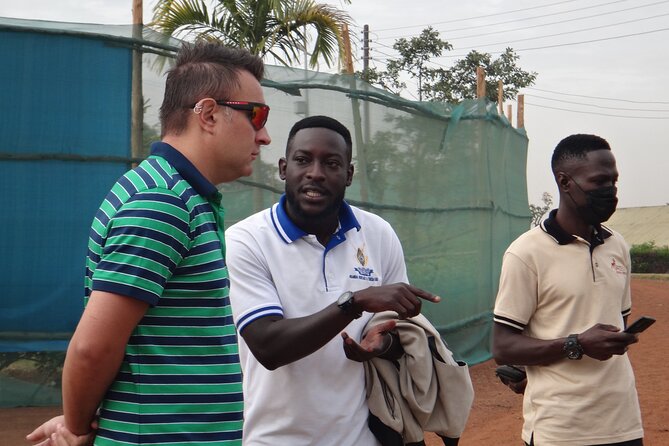
Kasubi Tombs is a UNESCO World Heritage Site and one of the most meaningful cultural stops on the route. It is the burial ground of four former kings of Buganda and remains an important spiritual site for the Baganda.
The tombs are also a cultural center for the royal family. Traditional practices and ceremonies connected with Buganda continue here, making the site more than a historic building. Your guide can help explain why royal burial places hold such importance and how rituals are connected to Buganda identity.
Plan on about an hour. This is a place for quiet attention, not a quick photograph from the roadside. As with the palace, the value comes from the explanation around what you are seeing. Without a guide, the meaning of the site would be much harder to grasp.
The tour information does not describe current restoration or access conditions beyond the planned visit, so conditions at the site may affect exactly what you can see. Keep an open mind and follow local instructions.
Makerere University and Uganda’s academic past
The route then passes through Makerere University, Uganda’s oldest and largest university, founded in 1922. The university is also described as Africa’s third-oldest, giving it an important place in the region’s academic story.
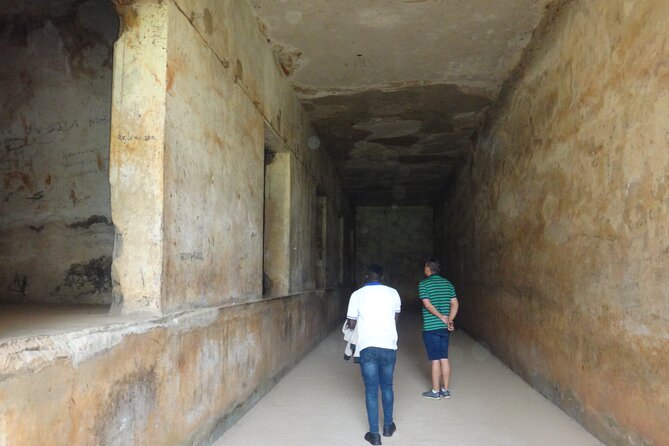
The sightseeing stop lasts about 30 minutes and is free of an additional admission charge. You see the Old University Library, established in 1949, the Main Administration Building from 1941, and the Education Monument.
This is a shorter stop, but it adds useful balance. After royal history and religious sites, Makerere shows another source of Uganda’s public life: education. The buildings also give the drive a sense of place rather than turning the whole day into a string of isolated attractions.
The Baha’i Temple on Kikaya Hill
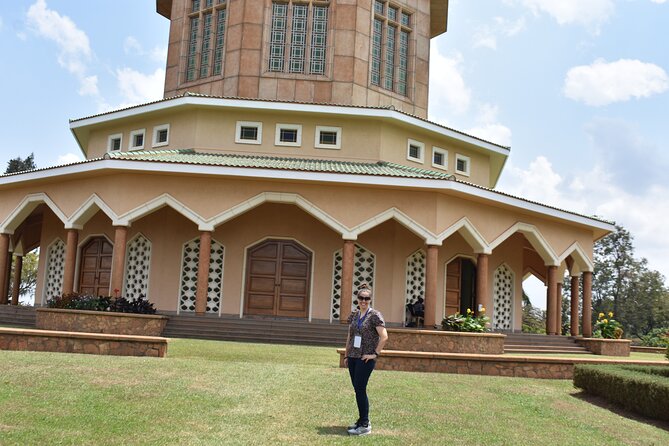
The Baha’i Temple sits on Kikaya Hill, northeast of Kampala, and is described as the only Baha’i temple in Africa. The setting includes gardens, and you are allowed inside the temple for quiet reflection and photographs in the grounds.
This is a calmer stop after the city center and markets. You may find the gardens a welcome pause, especially because the tour covers a lot of ground in one day. The temple also adds another religious tradition to the route, alongside the Hindu sites and Gaddafi National Mosque.
The temple is closed on Mondays. Check the day of your booking before you pay, particularly if this is one of the main reasons you want the tour. When it is open, the stop lasts about an hour.
The tour may temporarily end here before transferring you back to your hotel. Under normal operation, the final stop is the Uganda Museum, but the current closure changes that plan.
The Uganda Museum closure and what it means
The Uganda Museum is under renovation and is expected to reopen in late 2025. Under normal conditions, the museum is the final major stop and provides a broad overview of Uganda and the places you have just seen.
Its collection is intended to serve as a summary of the country, making it a sensible ending for a first-day city tour. At present, though, you should not book this experience expecting museum access. The tour information says the museum stop is included under normal operation, but the renovation notice is clear.
If the museum is still closed on your date, your tour may finish at the Baha’i Temple before the transfer back to your hotel. That could shorten the sightseeing portion slightly, although the full day already contains many other stops. Ask for confirmation if the museum is essential to your plans.
How the day works in practice
Hotel transfers are included within the stated Kampala area. Drop-off outside the Kampala radius costs extra or is not included, and lunch is not part of the package. You should plan for your own midday meal and personal purchases.
The tour uses a 4WD minibus with air conditioning and Wi-Fi. A designated window seat is promised, which is useful for a driving tour because many sights are seen from the road. Fuel and entrance fees to the planned stops are included, as is mineral water.
Optional activities and personal expenses are not included. The tour is near public transportation, but the private pickup makes public transport unnecessary for most participants. Confirmation is provided when you book.
Free cancellation is available if you cancel at least 24 hours before the local start time. Cancellations or changes made within 24 hours are not accepted for a refund.
Who will get the most from this experience
I would choose this tour if you have one substantial day for Kampala and want an introduction that goes beyond a simple driving loop. It suits first-time visitors, solo visitors who want an arranged day, and small groups interested in history, religion, architecture, and city life.
It is also a good match if you prefer asking questions as you go. The private format gives you a better chance to pause over subjects that catch your attention, and Matthew has been praised for his patient, energetic explanations and friendly manner.
You may want a different plan if you prefer slow market shopping, long museum visits, or a schedule built around meals. The route covers many places, so the day favors variety over extended time at one site.
Moderate physical fitness is needed, particularly for the minaret viewpoint and the amount of getting in and out of the vehicle. The tour is not described as wheelchair accessible, so anyone with mobility concerns should ask the provider before booking.
Should you book the Kampala City Tour?
Book it if you want a well-organized first look at Kampala’s royal, religious, political, and everyday sides, with a private guide to explain what you are seeing. The palace, Kasubi Tombs, mosque viewpoint, and Baha’i Temple give the day real variety, while the included vehicle and admissions remove much of the usual planning work.
At $215 per person, it is best value for a small group sharing the experience or for a solo visitor who places a high value on convenience and personal guidance. Confirm the Uganda Museum closure, check that your date is not Monday if you want the Baha’i Temple, and leave room for the day to run close to seven hours.
FAQ
How long does the Kampala City Tour take?
The tour takes approximately 6 to 7 hours. Although it is described as a half-day tour, you should plan for most of the day.
What time does the tour start?
The stated start time is 8:30 am.
Is hotel pickup included?
Yes. Hotel transfers are included within the stated Kampala area.
Is this a private tour?
Yes. Only your group participates in the activity.
What type of vehicle is used?
Transport is provided in a 4WD minibus with air conditioning, Wi-Fi, and a designated window seat.
Is a guide included?
Yes. An English-speaking driver-guide is included. Guides such as Matthew lead the tour.
Are entrance fees included?
Yes. Entrance fees to the planned stopovers are included.
Is lunch included?
No. Lunch is not included, so you should plan for your own meal.
Is the Baha’i Temple open every day?
No. The Baha’i Temple is closed on Mondays.
Can I visit the Uganda Museum on this tour?
The Uganda Museum is under renovation and is expected to reopen in late 2025. Under normal operation, it is the final stop, but you should not expect museum access while it remains closed.
Just added around Kampala
- KAMPALA MOTOR BIKE TOURS (boda boda tours)★ 4.5 · 6 reviews
- 1 Day Best Mabamba Swamp Shoebill Birding Tour, Lake Victoria★ 5.0 · 6 reviews
- 3 Days Lake Bunyonyi and Gorilla Trekking Tour in Uganda★ 5.0 · 5 reviews
- 4 Day Uganda Gorilla Trekking Safari with Lake Bunyonyi★ 5.0 · 5 reviews
- Private Ugandan Food Cooking Class and Culture Experience★ 5.0 · 6 reviews
- 3-Day Gorilla Trekking Bunyonyi Mist Relaxation Safari★ 5.0 · 5 reviews
- Mountain Rwenzori Trekking Uganda 9 Day Safari★ 4.5 · 3 reviews
- Rwenzori Mountains Trekking with Margherita Peak Summit★ 5.0 · 13 reviews